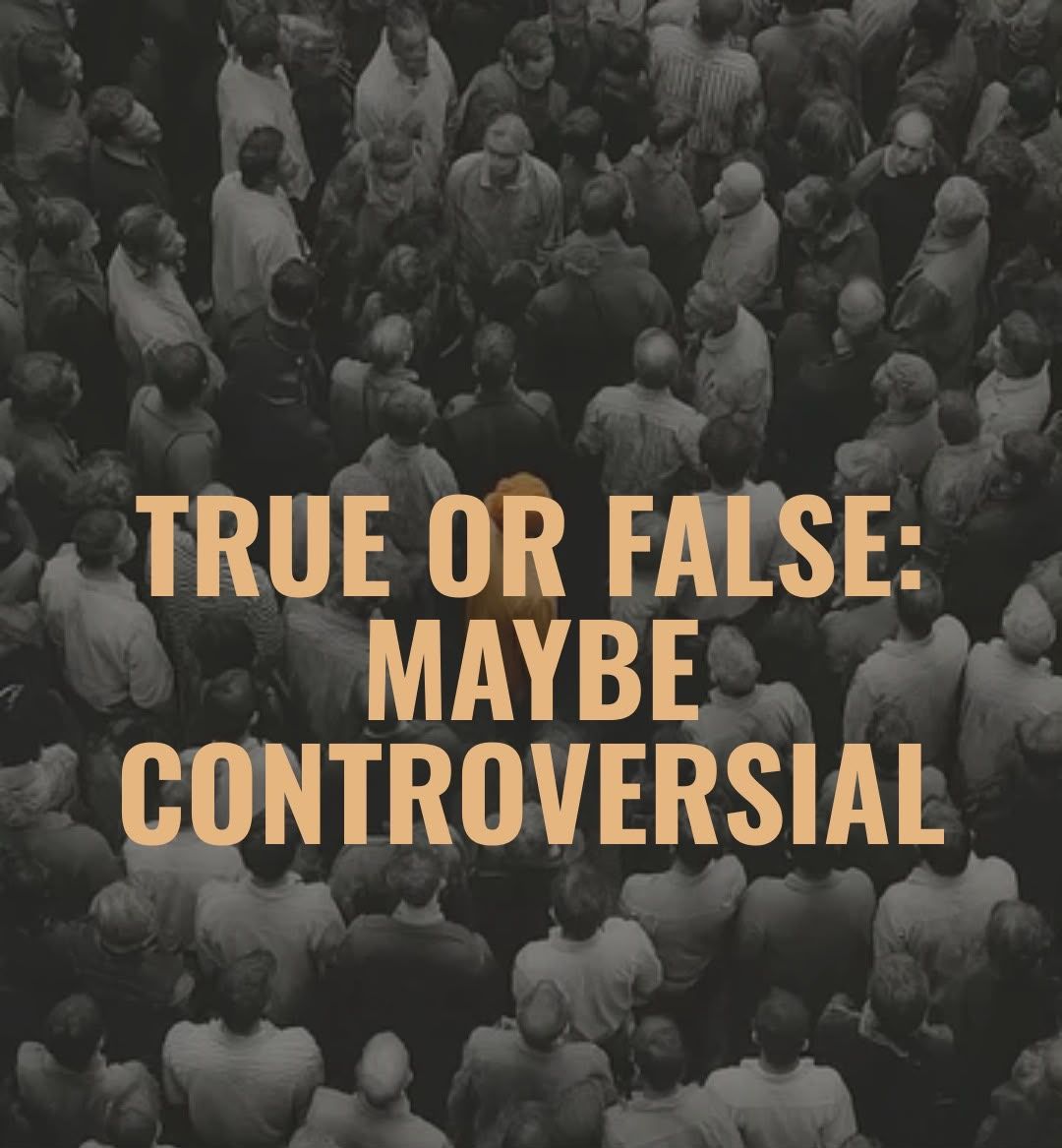
Unspoken Truths: Questioning the History We’ve Been Taught AN ESSAY ON SOUTH AFRICAN HISTORY, MEMORY, AND NARRATIVE I have carried these thoughts for a long time. For months, I tried to soften my words, edit my thoughts, and rephrase my sentences to avoid causing discomfort or misunderstanding. But a truth burns within me, and I can no longer dilute it. I choose to say it as it is—honestly and directly—and accept whatever consequences follow. What I am about to share may sound uncomfortable, provocative, or even disheartening to some. South Africa’s history contains chapters that demand we make a choice: do we accept the narrative as it was handed to us, or do we dare to question it? We must question the stories that are most frequently told, the pivotal events that shaped our nation, the nature of the democracy we continually celebrate, and the heroes we have placed on pedestals for decades. This is not an attempt to discredit our liberation struggle; rather, it is an effort to dig deeper, unearth the missing pieces, and ensure the next generation inherits a truth that is less sanitized and less diluted. "We owe it to ourselves to ask: How much of our true history has been buried? " The Unspoken Motives of Liberation Watching countless documentaries about Apartheid and its lingering shadow across South Africa inevitably forces a difficult realization. I often find myself wondering about the private conversations—the secret discussions held behind closed doors, within homes, or in the quiet quarters of an individual's own mind. When decisions were made, were they born purely out of a selfless commitment to liberation, or were they driven by personal ambition, power, and the allure of the spotlight? It is a sobering thought, especially when viewed through the lens of South Africa’s current socio-political reality. Have we, in our eagerness to build national myths, completely overlooked the critical details? For years, I quietly questioned the conventional narrative surrounding Nelson Mandela—not the public identity that dominates global discourse, but his character and complex legacy. It is a controversial subject, yet one cannot help but wonder how a figure so universally revered could have certain actions and compromises so thoroughly overlooked. Revisiting the Icons and the Forgotten That internal debate resurfaced powerfully when I watched The Trials of Winnie Mandela. The documentary crystallized many of my lingering doubts, prompting me to re-examine not just Mandela’s legacy, but the broader spectrum of celebrated activists taught in our history books. While figures like Steve Biko left an undeniable mark that deserves its own dedicated exploration, I am increasingly preoccupied with the "small guy"—the unsung activists who made monumental contributions, only to be erased, side-lined, or forgotten by history. The accounts shared in The Trials of Winnie Mandela presented a complex, polarizing picture. On one hand was a woman of fierce passion and an unyielding drive to liberate her people; on the other were heavy allegations of violence, lawlessness, and actions driven by personal interest. Over time, her legacy became a roaming shadow—a complex mixture of heroine and tragic figure. Her own account of how she met Nelson Mandela and how their relationship formed offers a fascinating window into how personal dynamics shaped political history. Unfinished Stories and Comfortable Compromises Beyond the prominent names, critical figures in our history have been overshadowed by unfinished narratives. Leaders and freedom fighters such as Robert Sobukwe, Ruth First, Kate Molote, and Shantie Naidoo held truths and experiences that demand deeper study. Their stories force us to confront uncomfortable questions: What was the true function of the Truth and Reconciliation Commission (TRC)? Were the testimonies given at the TRC complete, unvarnished truths, or were they part of a comfortable political compromise? Did we exchange total justice for a peaceful transition? These are complex curiosities, and we may never receive definitive answers. Yet, asking them remains vital. We must pursue these truths not to tear down the past, but to teach the next generation a history that honors the full reality—a history that does not dilute its heritage to suit political convenience. We owe nothing less to the families who lost loved ones, to the foot soldiers who fought without recognition, and to the millions of South Africans who still carry the unhealed trauma of our past.
IRRISIBLE X BARCKATLIST • Birrisible • Essay
Unspoken truths
Words by Aphiwe Dudula, Contributor
IRRISIBLE X BARCKATLIST • Birrisible
Explore More
View Full Archive →